When Cruelty Becomes Normalized, Compassion Begins to Look Radical
In every age, societies develop norms, habitual ways of thinking, behaving, and responding to one another. Most norms are benign and help communities function. But some norms are destructive, eroding our shared humanity. Among the most corrosive of these is the normalization of cruelty. Cruelty becomes normalized not overnight but through repeated acceptance, casual disregard, and silent complicity. It occurs when the voices that should speak for justice retreat into neutrality, when indignities go unchecked, and when self-interest drowns out empathy. As cruelty becomes commonplace, behaviors once recognized as harmful are reframed as benign or even praiseworthy. We tell ourselves we are simply being “pragmatic,” “realistic,” or “strong.” Yet beneath these justifications lies a deeper rot that devalues empathy and erodes moral imagination.
As this normalization spreads, something remarkable happens: compassion begins to look radical.
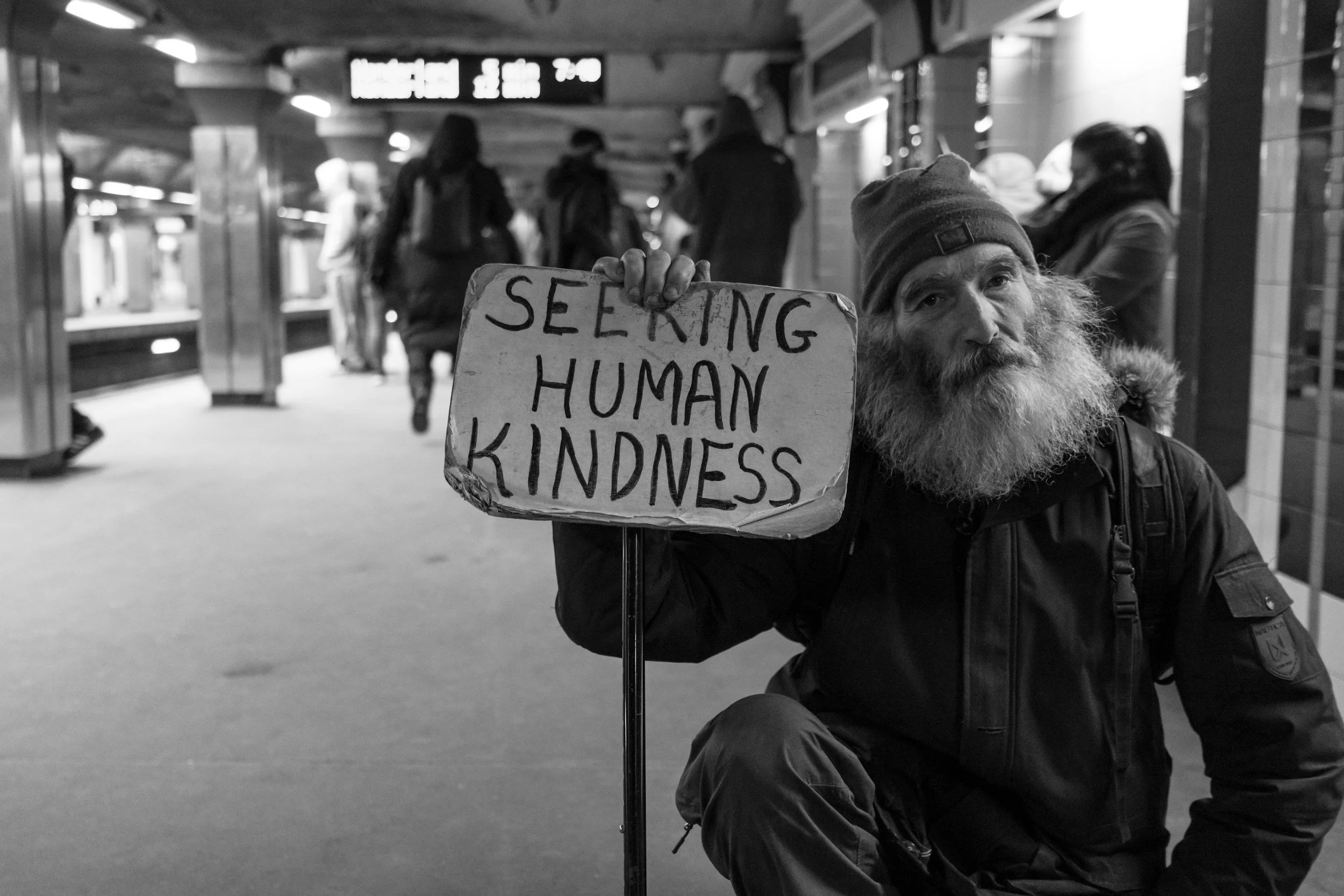
What Does It Mean for Compassion to Be “Radical”?
To call compassion radical is not to suggest it is extreme in a reckless or ungrounded way. Rather, compassion becomes radical when it refuses to surrender to the prevailing currents of indifference and aggression. In a culture where people are judged by their power, dominance, or success at the expense of others, showing genuine care, especially for the vulnerable, becomes an act of defiance.
Radical compassion:
Sees the suffering that others overlook.
Speaks for those who have been silenced.
Acts when others remain passive.
Remembers the image of God in every human being, regardless of status or identity.
When cruelty is normalized, compassion stands against the grain, not merely as a nice sentiment, but as a countercultural force capable of healing what is fractured.

How Cruelty Becomes Normalized
Normalization of cruelty occurs through a series of subtle shifts:
Desensitization
Repeated exposure to harsh rhetoric, dehumanizing language, or harmful actions dulls our emotional responses. What once shocked now barely raises an eyebrow.Self-Justification
We rationalize harmful behavior with phrases like “tough love,” “just doing my job,” or “that’s the way the world works.” These rationalizations shield us from accountability.Tribalism Over Shared Humanity
When allegiance to a group outweighs concern for human dignity, empathy is reserved only for those “like us.” Those outside the circle become easier to mistreat or disregard.Silence in the Face of Injustice
Perhaps the most insidious step toward normalization is silence. When observers do not speak against cruelty, they inadvertently reinforce it. Silence becomes consent.

Why Compassion Is Now Radical
In a culture acclimated to cruelty, compassion disrupts the status quo:
Compassion refuses to demean another person.
Compassion challenges systems that exploit the weak.
Compassion advocates for restorative justice over punitive retaliation.
Compassion listens before condemning.
Compassion recognizes shared human dignity.
These acts are not weak. They require courage, intentionality, and vulnerability. In a climate of polarized opinions and truncated headlines, to pause, to care deeply, and to act thoughtfully is revolutionary.
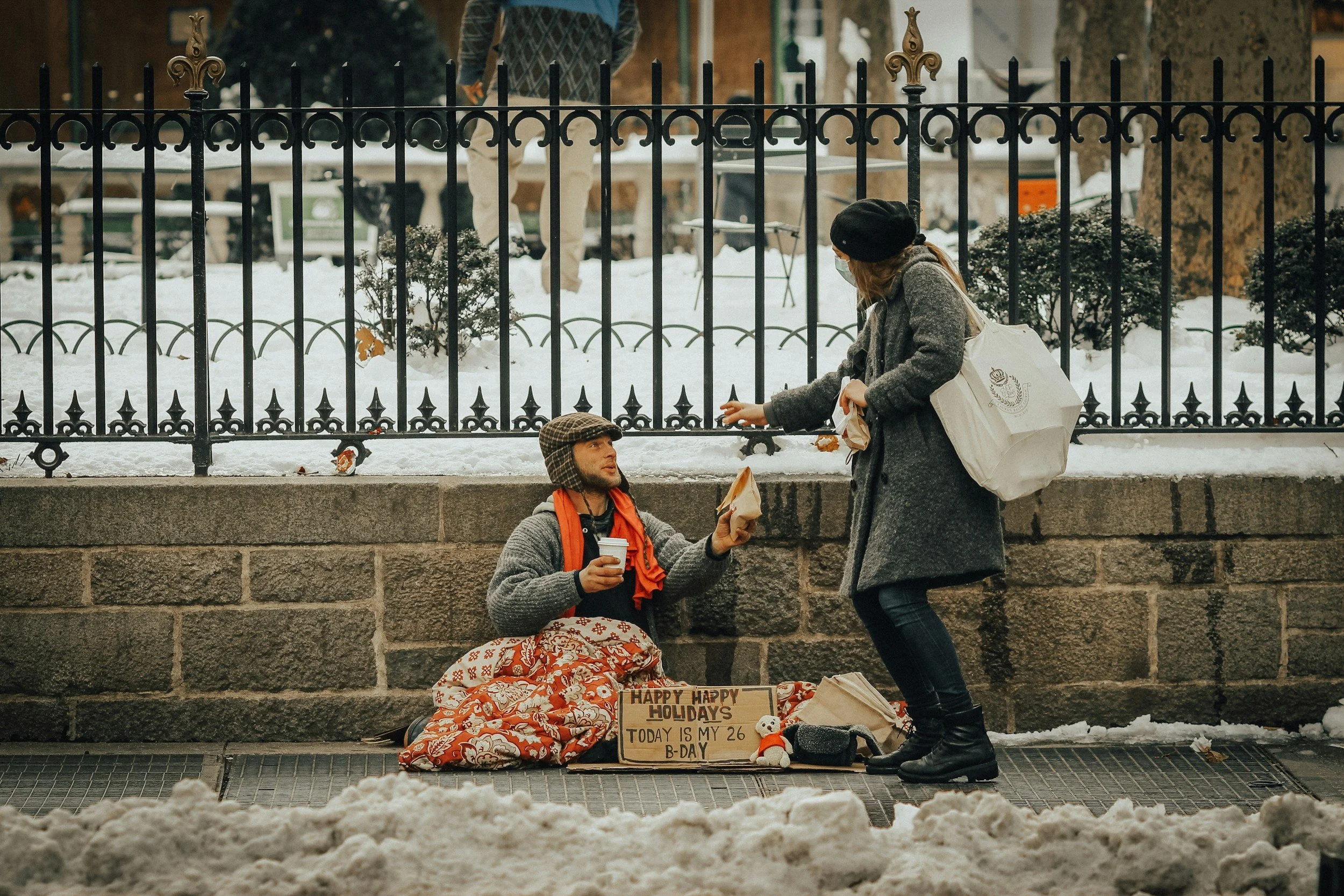
The Cost of Compassion
Choosing compassion can come with cost:
It may be mocked as naïve.
It may be dismissed as impractical.
It may be labeled as “too soft” in a hardened world.
It may require us to stand alone, at least for a time.
Yet history demonstrates that compassion — when sustained — transforms societies far more profoundly than cruelty ever could. The civil rights movement, reconciliation efforts in post-conflict societies, and movements for human dignity across the globe have all been powered by individuals and communities willing to choose compassion in the face of normalized cruelty.
““The cost of compassion is often misunderstanding, resistance, and sacrifice, but the cost of cruelty is always the erosion of our humanity.”
Dr. Kevin Hairston”
Moving Forward
So how do we re-center compassion in our personal lives and communities?
Reflect and Recognize – Examine where cruelty has been normalized in your life. Where have you become desensitized? What behaviors or speech have you rationalized?
Speak Up – Use your voice to challenge harmful narratives and behaviors. Quiet complicity amplifies harmful norms.
Model Compassion – Begin with small acts of empathy and kindness. These ripple outward in ways we cannot immediately measure.
Build Compassionate Communities – Engage in groups where empathy is practiced, celebrated, and expected. Compassion grows where it is nurtured.
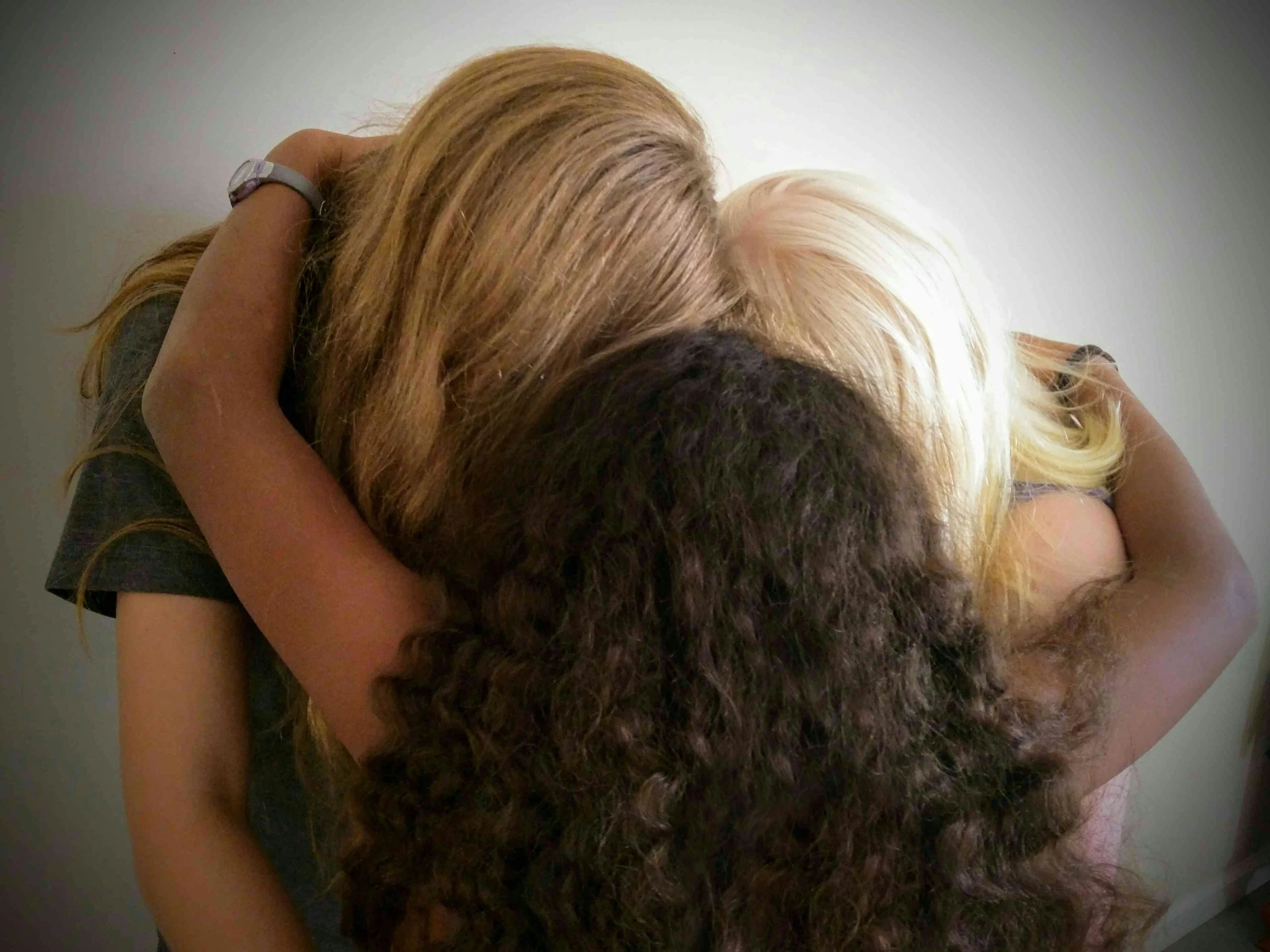
Closing Thought
When cruelty becomes normalized, the world does not become stronger, it becomes harder, colder, and more fractured. In such times, compassion does not fade into irrelevance; it becomes essential and, in fact, radical not because it is extreme but because it is courageous.
Choosing compassion is not a retreat from reality. It is a steadfast affirmation of our shared humanity.